The rise and transformation of gambling A historical perspective
Ancient Origins of Gambling
The roots of gambling can be traced back to ancient civilizations, where games of chance were often tied to religious or social rituals. Archaeological evidence suggests that the Chinese were using rudimentary gambling tools, such as dice, as early as 2,300 BC. Additionally, ancient Egyptians participated in gambling, with references found in hieroglyphs and artifacts depicting dice games. These early forms of gambling laid the foundation for a societal acceptance of chance and risk, which has only evolved over time into platforms like mafiacasinonz.nz.

In ancient Rome, gambling became a popular pastime among citizens, despite being frowned upon by moralists. The Romans developed various games involving dice and betting, emphasizing the social aspect of gambling. Gladiatorial contests and chariot races often attracted wagers from spectators, intertwining the thrill of competition with the allure of potential winnings. This intertwining of chance and entertainment set the stage for the evolution of gambling into a more organized activity.
The medieval era saw gambling evolve further, with the introduction of card games in Europe, possibly stemming from earlier Asian games. The popularity of playing cards led to the establishment of various gambling houses, where patrons could indulge in games like poker and baccarat. By the time we reached the Renaissance, gambling had transformed into a sophisticated pursuit, with nobility and commoners alike engaging in wagers, shaping the cultural landscape of the time.
Legal Developments and Regulation
The shift towards regulated gambling began in the 17th century, as governments recognized the potential tax revenue from this burgeoning industry. The first official lottery was established in 1612 in England, paving the way for similar initiatives across Europe. These lotteries aimed to raise funds for public projects, such as infrastructure and education, while also providing a legal framework for gambling activities.
As society progressed, so too did the complexities of gambling laws. The 19th century saw the establishment of betting shops, particularly in England, which required regulations to protect both the operators and the players. The Betting Act of 1853 was a significant milestone, as it aimed to curb illegal gambling while allowing for regulated betting establishments. This balance between regulation and freedom reflected the evolving attitudes toward gambling as a legitimate form of entertainment.
By the 20th century, the landscape of gambling changed dramatically with the advent of casino resorts, particularly in places like Las Vegas and Monte Carlo. These venues showcased the glamour and excitement associated with gambling, attracting tourists worldwide. Governments began to recognize the economic benefits of legalized gambling, resulting in further legalization and regulation across various jurisdictions, creating a multi-billion-dollar industry.
The Digital Revolution in Gambling
The late 20th century marked a turning point for gambling with the rise of the internet. Online gambling platforms emerged in the mid-1990s, revolutionizing how people engaged with games of chance. These platforms offered convenience and accessibility, allowing players to wager from the comfort of their homes. The ease of access attracted a new demographic of players, changing the traditional gambling landscape.
The digital age also enabled innovations in gambling experiences, such as live dealer games and interactive slots. With advanced technology, players can now enjoy real-time gaming experiences that mimic the excitement of physical casinos. This transformation has not only broadened the audience but also intensified competition among online platforms, pushing them to innovate continuously and offer enticing bonuses and promotions.
However, the rise of online gambling has also raised concerns regarding regulation and responsible gaming. Governments around the world grapple with the challenge of creating effective regulations to protect players while fostering a thriving online gambling industry. Issues such as problem gambling and consumer protection have led to the implementation of measures aimed at promoting responsible gambling, ensuring that players can enjoy the experience safely.
The Cultural Impact of Gambling
Gambling has consistently influenced culture, shaping art, literature, and social interactions. From Shakespeare’s plays featuring gambling to modern films centered around high-stakes poker games, gambling narratives have become a staple in storytelling. These representations often explore themes of risk, luck, and the human condition, reflecting society’s fascination with chance and fortune.
Moreover, gambling has fostered unique social dynamics, creating spaces for community engagement. In many cultures, gambling events serve as social gatherings, bringing people together to share experiences and excitement. These communal aspects highlight gambling’s role as a social lubricant, transcending mere financial stakes and establishing connections among participants.
As gambling continues to evolve, its cultural significance remains profound. The rise of eSports betting illustrates how traditional concepts of gambling are adapting to modern interests and trends. This evolution speaks to the enduring appeal of gambling, showcasing its ability to reflect and adapt to cultural changes and technological advancements.
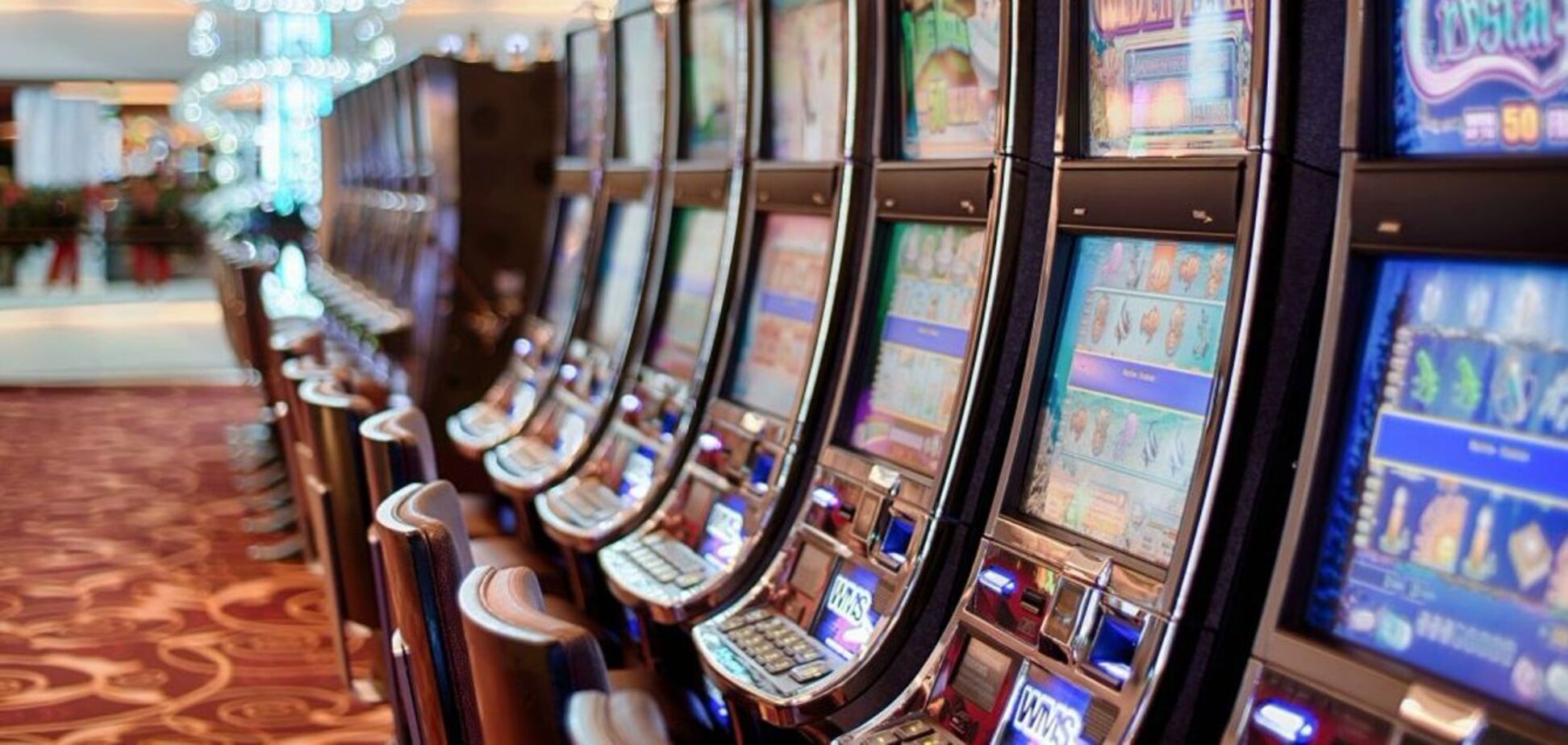
Experience the Thrill of Gambling Online
As the world of gambling transforms, platforms like Mafia Casino offer an exciting online gaming experience that caters to modern players. With an extensive selection of slots and live casino games, users can immerse themselves in the thrill of gaming from anywhere. The user-friendly interface ensures easy navigation, allowing players to quickly find their favorite games, such as “Gates of Olympus” and “The Dog House.”
Mafia Casino also understands the importance of rewarding players, offering generous welcome bonuses and ongoing promotions. New players can take advantage of a 100% bonus up to 1000 NZD and 200 free spins, enhancing their gaming journey right from the start. These incentives not only boost engagement but also demonstrate the platform’s commitment to player satisfaction.
In addition to a wide array of games and promotions, Mafia Casino prioritizes responsible gambling. The platform implements measures that promote safe gaming practices, ensuring players can enjoy the excitement without compromising their well-being. Join Mafia Casino today to explore a vibrant gaming world and seize the opportunities for substantial winnings while enjoying a safe and engaging environment.